
World Environment Day 2026 arrives at a pivotal moment for businesses navigating the intersection of growth, responsibility, and resilience. As climate realities intensify and stakeholder expectations evolve, organizations are no longer treating sustainability as a peripheral agenda—it is fast becoming central to strategy, culture, and leadership. From boardrooms to shop floors, the conversation has shifted from compliance to commitment, with leaders increasingly accountable not just for financial performance, but for environmental stewardship.
In this special feature, HR Observer brings together voices from CXOs and business leaders across industries who are reimagining what it means to lead in an era defined by environmental urgency. Their perspectives reveal how sustainability is shaping talent strategies, influencing workplace culture, and redefining leadership priorities. As these leaders share their insights and actions, a common thread emerges: the future of work and the future of the planet are deeply interconnected—and leadership will determine how both are sustained.
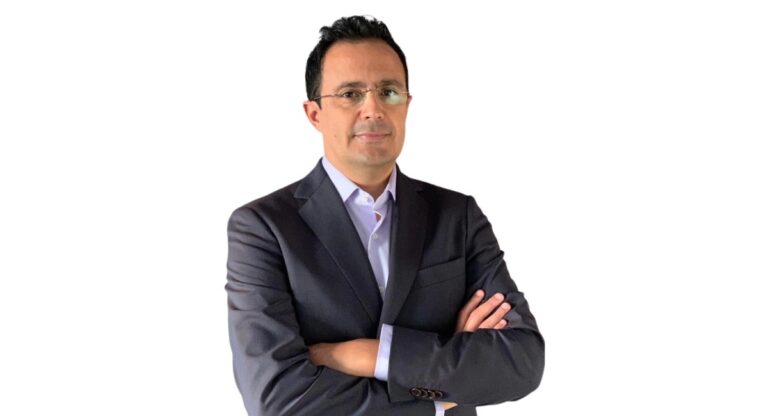
Sachin Alug, CEO, NLB Services
“Moving on from arbitrary targets, innovations in emerging domains like AI can bring real discipline into climate action. Much of the environmental cost of business sits deep inside daily choices: how energy is used, how materials move, how water is consumed, how waste travels, how risk builds across a supply chain. AI can help surface those signals early, giving leaders a clearer view of where action is needed before decisions harden into long-term damage.
But this conversation needs maturity. AI cannot be positioned as a climate solution without examining its own energy appetite, infrastructure burden, and governance. A tool that helps measure accountability must also be accountable.
The hardest part of climate action is accepting that the planet has already become a stakeholder in every business decision. People, planet, and progress are often spoken of together, but rarely governed together. Until that changes, climate action will keep moving slower than climate risk. Businesses need systems where environmental cost is seen before it becomes damage.
On this World Environment Day, we are reminded that the planet is no longer an external consideration – it is a stakeholder in every algorithm, every investment, and every business decision. The real opportunity lies in using technology not just to optimize growth, but to create a future where innovation and sustainability advance together.”
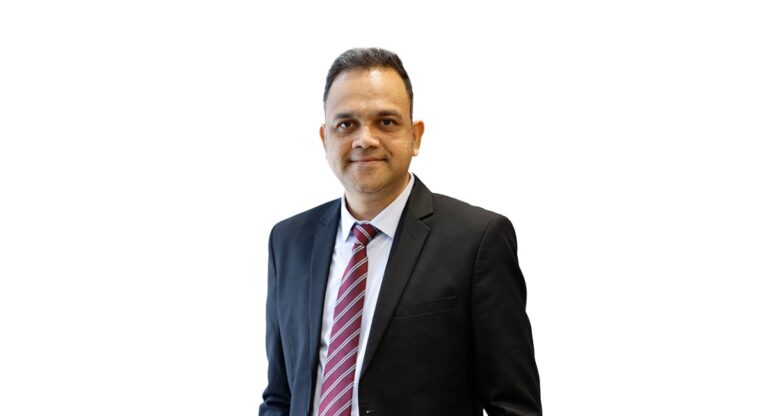
Anuj Khurana, Co-founder and CEO, Anaptyss
“World Environment Day reminds us that sustainability is no longer a choice – it is a business imperative and a shared responsibility. At Anaptyss, we believe that technology must serve a larger purpose- creating value not only for organizations, but also for society and the planet.
As AI continues to transform industries, its true potential lies in enabling smarter, more sustainable decisions. From optimizing resource utilization and reducing operational waste to enhancing transparency and accountability, AI can be a powerful catalyst for achieving Environmental, Social, and Governance (ESG) goals. However, innovation must be guided by responsibility. The future belongs to organizations that leverage AI ethically, transparently, and with a long-term commitment to sustainable growth.
At Anaptyss, our philosophy is rooted in the belief that digital transformation and sustainability go hand in hand. We strive to build intelligent solutions that help businesses improve efficiency, strengthen resilience, and create measurable positive impact. By integrating innovation with purpose, we empower our clients to navigate complex challenges while advancing their sustainability agendas.
This World Environment Day, we reaffirm our commitment to fostering a future where technology, business, and environmental stewardship work together in harmony. The decisions we make today- whether in boardrooms, data centers, or communities- will shape the world we leave for future generations. Through responsible AI, strong ESG practices, and a culture of continuous innovation, we can collectively build a greener, more inclusive, and more sustainable future.”
Annie George, Leader Sustainable Development, Decathlon Sports India
“Nature has blessed us with countless resources that we normally take for granted. However, the air we breathe, the water we drink, and the climate impacts we witness every day remind us of the challenges we face. This World Environment Day, it is time to pause, be mindful, and reflect on what we can change.
At Decathlon India, we are marking this day by championing the repair and reuse economy, proving that we can stay active while protecting our playground. Our Second Life Bazaar: a 10-day initiative is designed to help extend the life of your gear. Let’s play sustainably!”
Priya Rustogi, Leader (Managing Director), India, LIXIL IMEA
With rapid urbanization in India, our water and energy resources are going to be strained much further; resource efficiency must become a way of life built into how we design and live in our homes. Here at GROHE, innovation has a key part to play, thoughtful design and precision engineering come together with durable solutions that are built to perform over time. We aim to create products which provide comfort, hygiene, and performance; in doing so we want to enable consumers to make better choices about their day-to-day lives. World Environment Day reiterates the fact that impactful change comes from doing something tangible and making better connected choices. Humanity can collectively contribute to a very early sustainable future for the benefit of all and future generations on earth by embracing solutions that will promote a responsible use of resources over time.
About The Author