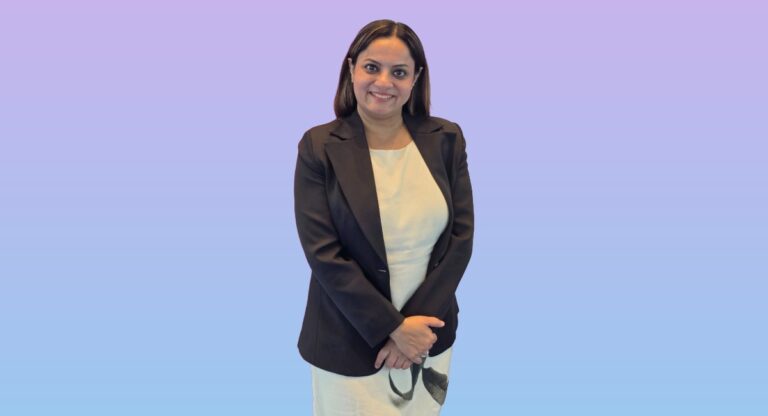


Abhishek Kurdukar, Sales Director, Pluxee India
By Abhishek Kurdukar, Sales Director, Pluxee India
In many organizations, benefits are still positioned as a support layer adjacent to compensation rather than as an integral part of employee experience. In practice, however, they often play a far more influential role. Benefits shape how employees engage with the organization everyday, often in ways that are more immediate and tangible than compensation itself.
Meal benefits illustrate this shift particularly well. Within India’s diverse and increasingly health-conscious workforce, these have evolved beyond passive allowances into everyday decision points that influence how included, empowered, and understood employees feel.
When food reflects identity, standardisation reaches its limits
In India, food is rarely just functional. It is deeply intertwined with culture, community, and long-standing habits. According to PwC India’s Voice of the Consumer 2025: India Perspective Report, 74% of Indian consumers stated that their food choices are strongly rooted in cultural heritage and traditions.
Within the workplace, this diversity appears in multiple ways, including regional cuisines, religious practices, fasting cycles, vegetarian preferences, and a growing shift toward health-conscious consumption. While a standardized meal structure may appear efficient, it often doesn’t account for these realities.
For employees, this gap can become visible in everyday moments. An employee relocating to a different city, someone observing fasting practices, or an individual actively managing nutrition goals may all interact differently with the same benefit structure. Over time, when everyday systems fail to reflect these nuances, employees can begin to view benefits as generic rather than supportive.
Moving inclusion from policy to lived experience
Most organizations today demonstrate clear intent around inclusion at a policy level. The next step is embedding that intent into everyday experiences.
Meal benefits provide a practical pathway to achieve this. When employees can make choices aligned with their cultural, dietary, or personal preferences, inclusion becomes more visible in day-to-day work life.
The challenge, however, lies in execution. Delivering flexibility at scale requires systems that balance individual choice with administrative simplicity. This is where structured benefit ecosystems and digital platforms are helping organisations enable personalization without adding operational complexity.
For HR and administration teams, ease of management remains equally important. Benefits that are simple to access, configure and manage are far more likely to see sustained engagement across diverse workforce groups.
The rise of personalization in health and consumption
This shift is part of a broader behavioral change. Employees are no longer passive recipients of benefits; they are active participants in managing their well-being.
In 2026, AI-driven systems have begun shaping how food services are delivered, with meals increasingly tailored to individual dietary patterns and preferences. At the same time, according to PwC India’s Voice of the Consumer 2025 report, more than 80% of Indian consumers use healthcare apps or wearable technology as part of their wellness routines. This reflects a wider move toward more personalised and data-informed lifestyle decisions.
This evolution is resetting expectations within the workplace. Employees who actively track nutrition, calories, or health metrics outside of work are unlikely to engage with static, one-size-fits-all benefit structures. When workplace offerings do not evolve alongside these shifts, they risk appearing outdated, not in intent, but in relevance.
Why frequency amplifies impact
Not all benefits influence employee perception equally, and frequency is a critical differentiator.
Meal benefits are accessed almost daily, giving them a uniquely consistent presence in the employee experience. According to the Meal Vouchers and Employee Benefit Solutions Market report,59% of employees report improved workplace satisfaction through vouchers and perks, while 62% of professionals say they prefer employers that offer such benefits.
This aligns with the findings from Pluxee’s New Rules of Engagement 2025 study, where 36% of employees in India say they value employee benefits that fit their individual needs. Together, these shifts reflect a workforce that increasingly expects benefits to feel relevant, accessible and adaptable to everyday life.
This impact is not driven only by availability, but by consistency. A benefit experienced five days a week continuously reinforces the employee’s perception of the organization. Over time, this creates a compounding effect on engagement, trust, and employer brand.
Flexibility as infrastructure, not enhancement
As workforce expectations evolve, flexibility is increasingly becoming foundational rather than optional.
Meal benefits occupy an important intersection. They can support financial well-being, enable healthier choices, and provide employees with greater autonomy in how they use workplace support systems. When designed as flexible frameworks rather than fixed entitlements, they can adapt more effectively to differences in location, lifestyle, and individual preference.
As organizations rethink employee experience, digital benefit ecosystems are playing an increasingly important role in enabling flexible and personalised meal experiences at scale. At Pluxee, we are seeing growing demand from employers for solutions that balance employee choice with administrative simplicity.
This balance matters because organizations today are not only evaluating the quality of benefits being offered, but also how effectively those benefits can be delivered and experienced across a distributed and diverse workforce.
Designing benefits for a workforce in transition
The move toward personalised meal benefits is not a passing trend; it reflects bigger structural changes within the workforce. Cultural diversity, rapid digital adoption, and an increasing focus on preventive health are converging to reshape expectations.
For leadership teams, this presents a clear choice. Benefits can remain static and gradually lose relevance, or they can evolve into dynamic systems that reinforce engagement daily.
Organizations that invest in this evolution are simply not enhancing their benefits portfolio. They are signaling a deeper understanding of their workforce, one that recognizes individuality, adapts to change, and embeds value into everyday experiences.
(Views expressed in the article are solely of the author.)
About The Author